
Foundational knowledge about how the body heals, adapts, and rebuilds following periods of reduced physical activity.
Educational content only. This page describes general physiological concepts. It does not constitute medical advice or replace guidance from a qualified healthcare professional.
When tissue is damaged, whether through injury, surgery, or prolonged inactivity, the body's first response is inflammation. This is not a problem to be eliminated. It is a necessary process.
Inflammation brings blood flow, immune cells, and growth factors to the affected area. It creates the biological environment in which healing can begin. The discomfort and swelling associated with this phase are signs that the body is responding appropriately.
This phase typically lasts days to weeks depending on the nature of the injury. Rest during this period is generally appropriate. Movement, if introduced too aggressively, can extend inflammation and delay the transition to the next phase of healing.
Understanding this helps explain why healthcare providers often recommend a period of relative rest before gradual reintroduction of movement.


As inflammation subsides, the body enters a repair phase. New tissue forms. Collagen is laid down. The structural integrity of the injured area begins to return, though the new tissue is initially weaker and less organized than mature tissue.
This is where carefully graded movement becomes valuable. Gentle, controlled loading stimulates the new tissue to organize itself along lines of mechanical stress, which ultimately makes it stronger and more functional.
Too little movement during this phase can result in poorly organized scar tissue that limits range of motion. Too much can disrupt the fragile repair process. This is why the guidance of a physical therapist or rehabilitation specialist is valuable during this window.
The repair phase can last several weeks. Progress is often not visible day to day, which can be frustrating. Understanding what is happening internally helps maintain realistic expectations.
The remodeling phase is where meaningful strength and function return. Tissue matures. The body adapts to the demands being placed on it. This phase can last months, and in some cases, years for more significant injuries.
Progressive loading during this phase is the key driver of functional recovery. The principle of progressive overload, applying gradually increasing demands to the body, underpins almost all effective rehabilitation programs.
Muscle, tendon, and bone all adapt to mechanical loading. The body becomes more capable of handling the demands you regularly place on it.
Strength is not just about muscle size. The nervous system's ability to coordinate and activate muscles efficiently also needs to be retrained after injury.
Recovery timelines vary significantly based on injury type, individual biology, age, nutrition, sleep quality, and consistency of rehabilitation activity.
These three terms are often used interchangeably but they describe different things. Understanding the difference helps clarify what kind of work is appropriate at each stage of recovery.
The passive range of motion a joint or muscle can achieve. Stretching improves flexibility. It is a component of mobility but not the whole picture.
The ability to move a joint through its full range of motion actively, under control. Mobility requires both flexibility and the strength to control that range.
The ability to maintain joint position under load or during movement. Stability is often compromised after injury and is a key target of rehabilitation work.
Cardiovascular fitness declines relatively quickly during periods of inactivity. This is a normal physiological response, not a permanent change. The heart and circulatory system are highly adaptable and respond well to gradual reintroduction of aerobic activity.
The challenge during recovery is that cardiovascular reconditioning must happen alongside, not instead of, the structural healing process. Pushing cardiovascular intensity too high before the injured area is ready can create setbacks.
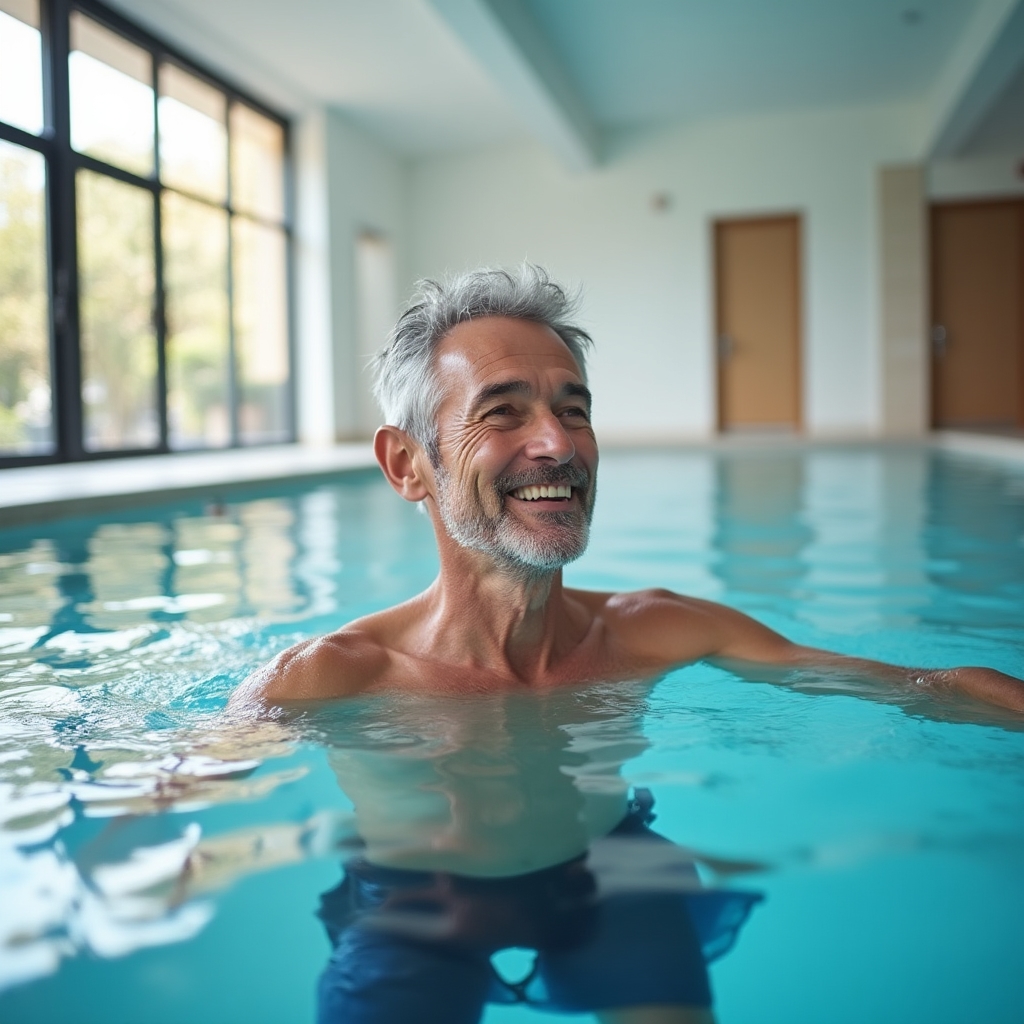
Low-impact aerobic options like walking, pool exercise, or stationary cycling allow cardiovascular work without placing high stress on healing tissues. As healing progresses, intensity and variety can gradually increase.
Breathlessness during early cardiovascular reconditioning is normal and expected. It reflects how much the cardiovascular system has adapted to the reduced demands of the recovery period, not a sign that something is wrong.
The Wellness Guides section covers practical applications of these concepts, including how to approach specific activities during different recovery phases.